
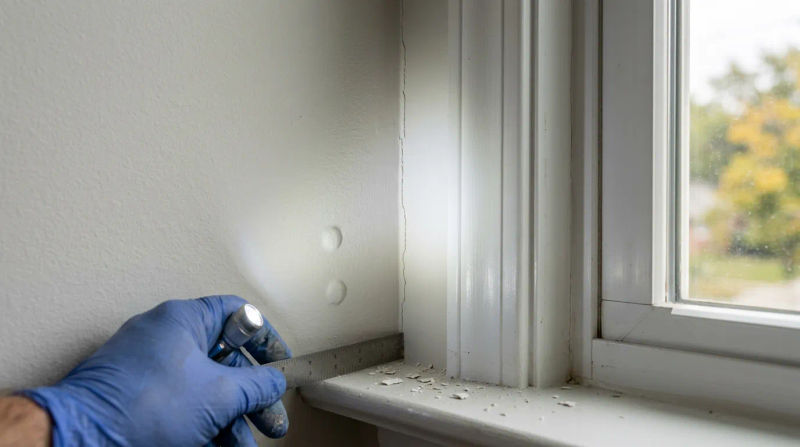
That first crisp September breeze is a welcome relief after a humid Columbus summer. You throw open the windows, letting the cool, dry air in. But as the light hits your living room wall just right, you spot it: a thin, spidery crack running down from the corner of the doorway. You’re sure it wasn’t there a month ago. Is it a big deal? Is your house falling apart?
As a construction superintendent with over a decade of experience here in Central Ohio, I can tell you this is a scenario our crews hear about every single autumn. The shift from summer to fall is a prime time for drywall seam cracking in fall and other cosmetic issues to appear. While many of these are harmless, some can be early warnings of more significant problems. Understanding what you're seeing is the first step toward a proper solution.
Common Signs and Symptoms
Before you can diagnose the cause, you need to know what to look for. Drywall stress can manifest in several distinct ways. Our technicians are trained to identify these subtle differences during an initial assessment, as each one tells a different story about what’s happening within your walls and ceilings.
Here are the most common signs you might encounter:
- Hairline Cracks: These are very thin, straight cracks that often appear above the corners of doors and windows or along the seams where two sheets of drywall meet. They are the most frequent type and are often related to seasonal movement.
- Nail or Screw Pops: These look like small, circular bumps or cracks on the surface of your wall. This happens when the drywall nail or screw is pushed outward, “popping” the paint and joint compound. This is a key distinction when discussing nail pops vs drywall cracks, as pops are almost always caused by wood framing shrinking or expanding.
- Horizontal Cracks at the Ceiling Line: A perfectly straight, horizontal crack where the wall meets the ceiling is a very specific symptom, often related to something called “truss uplift.”
- Discolored or Stained Cracks: If you see a brown or yellow stain accompanying a crack, it’s a red flag for moisture. The drywall is likely getting wet from a leak in your roof, plumbing, or window flashing.
- Jagged, Diagonal Cracks: Cracks that run diagonally at a 45-degree angle, especially those that are wider than a hairline, are more concerning. These often indicate structural movement or significant stress on the wall frame.
What Causes This Problem
Now that you’ve identified the type of crack, let’s explore the underlying causes. In my experience, most drywall issues in the Columbus area stem from a handful of common culprits, especially as the seasons change.
- Seasonal Humidity Shifts: Wood framing is porous and acts like a sponge. During our humid Ohio summers, the studs and joists in your home absorb moisture and expand slightly. As September brings cooler, drier air, that wood releases moisture and contracts. This shrinking movement pulls on the rigid drywall sheets attached to it, causing seams to crack and nails to pop. This is the number one reason for new cracks in the fall.
- Truss Uplift: This is one of the most common horizontal drywall crack causes. Many modern homes, particularly those built from the 1990s onward, use pre-fabricated roof trusses. In the winter, the top chords of the truss in the cold attic contract, while the bottom chords, insulated by your ceiling, stay warmer. This differential causes the truss to arch upward slightly, lifting the ceiling drywall away from the interior wall frames and creating that tell-tale horizontal gap.
- Normal House Settling: Every house settles over time, especially within the first few years after construction. This movement can create minor stress cracks. These are typically small, stable, and not a cause for alarm unless they continue to widen.
- Building Era and Design: Homes in the Grove City area and similar suburbs built in the 1990s and 2000s often feature two-story, Neo-traditional designs with complex rooflines and open-concept floor plans. These large, open spaces and intricate roof structures create unique load points and long spans that can be more susceptible to the kinds of flexing and movement that produce drywall cracks.
- Water Damage: A persistent or recurring crack, especially with discoloration, almost always points to a leak. It could be a failing roof boot, an ice dam from the previous winter, or a slow drip from a pipe. This requires immediate attention to prevent mold growth and structural decay.
- Poor Installation: Sometimes, the problem is rooted in the initial installation. Our crews often perform drywall crack repair on jobs where the original installers used insufficient joint compound (mud) or didn't properly embed the tape. This creates a weak point that is guaranteed to crack under even minor stress.
- Foundation Issues: This is the most serious cause. Significant foundation settling or shifting will transfer immense stress throughout the entire house frame. Signs of this go beyond simple drywall cracks and often include doors that stick or won't latch, floors that are visibly unlevel, and large, stair-stepping cracks in brick or block foundations. These require a structural expert.
When to Call a Professional
Deciding between a DIY patch and a professional repair depends on the severity and underlying cause of the crack.
You might be able to DIY if:
- You have a few isolated, hairline cracks or nail pops that have not changed in size.
- You understand that a simple cosmetic patch with spackle will likely need to be redone when the seasons change again, as it doesn't address the movement causing the crack.
You should call a professional when:
- The crack is wider than 1/8 of an inch.
- The crack is actively growing or you see multiple new cracks appearing.
- You have jagged, diagonal cracks, which can signal structural stress.
- Any crack is accompanied by water stains, moisture, or a soft feel to the drywall.
- You want a long-term drywall crack repair. Experienced professionals use specialized techniques, like using flexible compounds and re-taping seams, to create a durable repair that can better accommodate seasonal movement. Our technicians follow a standardized workflow to ensure the repair is seamless and the work area is left clean.
Conclusion
Seeing cracks appear in your drywall can be unsettling, but it’s a common occurrence for homeowners in Central Ohio, especially during the fall. The key is to correctly identify the type of crack and understand its likely cause. While minor hairline cracks from seasonal humidity changes are often just a cosmetic nuisance, others can be symptoms of moisture intrusion or structural problems that need prompt attention.
Don't wait for a small crack to become a major headache. Autumn is the perfect time to assess your home's interior and address these issues before the colder winter weather sets in and potentially makes them worse. A proactive approach will protect your home's value and give you peace of mind.
If you notice any of these signs, contact a local Construction professional for an inspection.